Design · 6 min read
How to Choose Between a Shaker and a Flat-Panel Door
The two most popular door styles at Cabinets of America. Which one belongs in your kitchen depends on three questions most people don't know to ask.
Elena Rivera
Senior Design Consultant · Published March 28, 2026
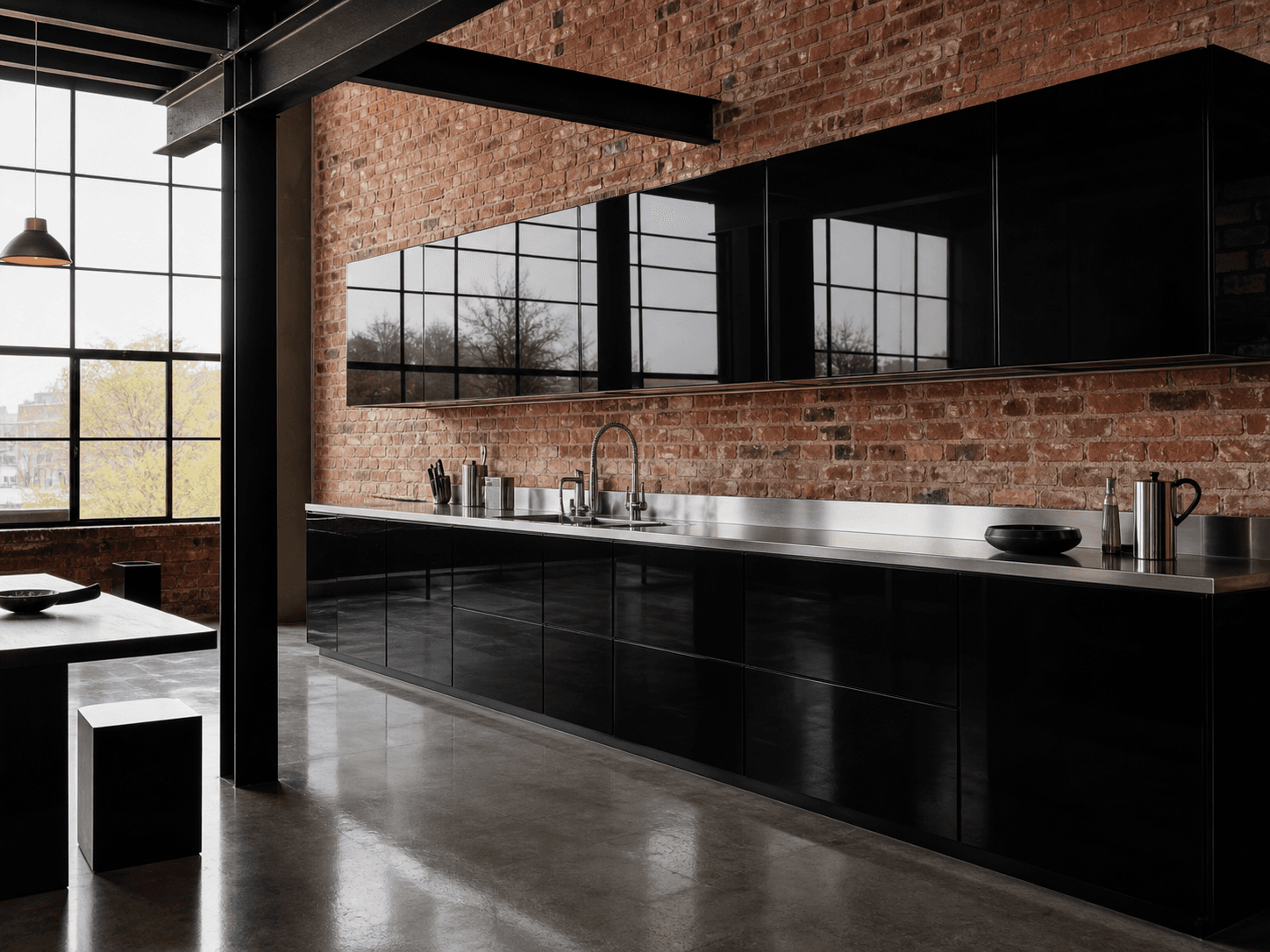
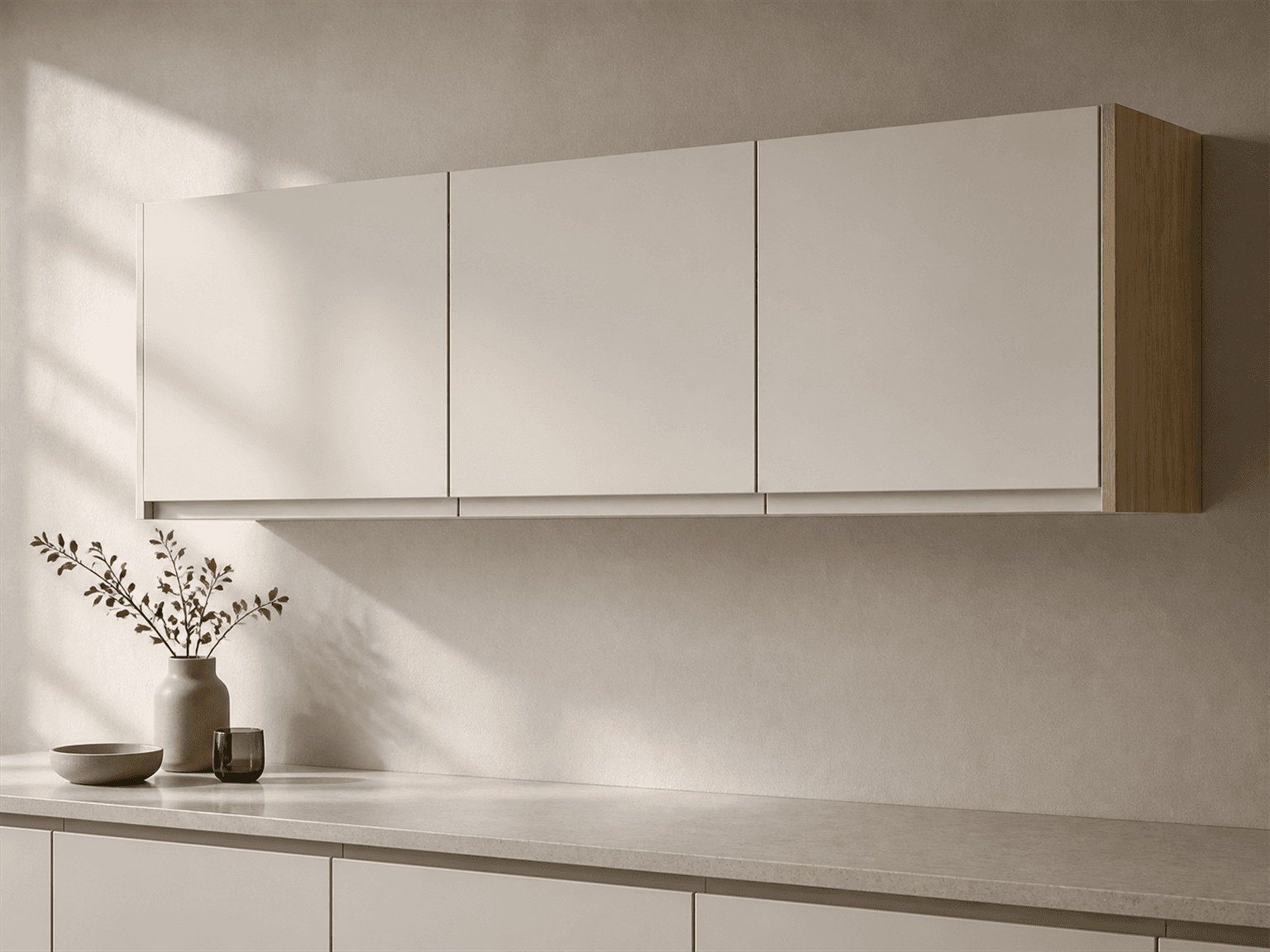
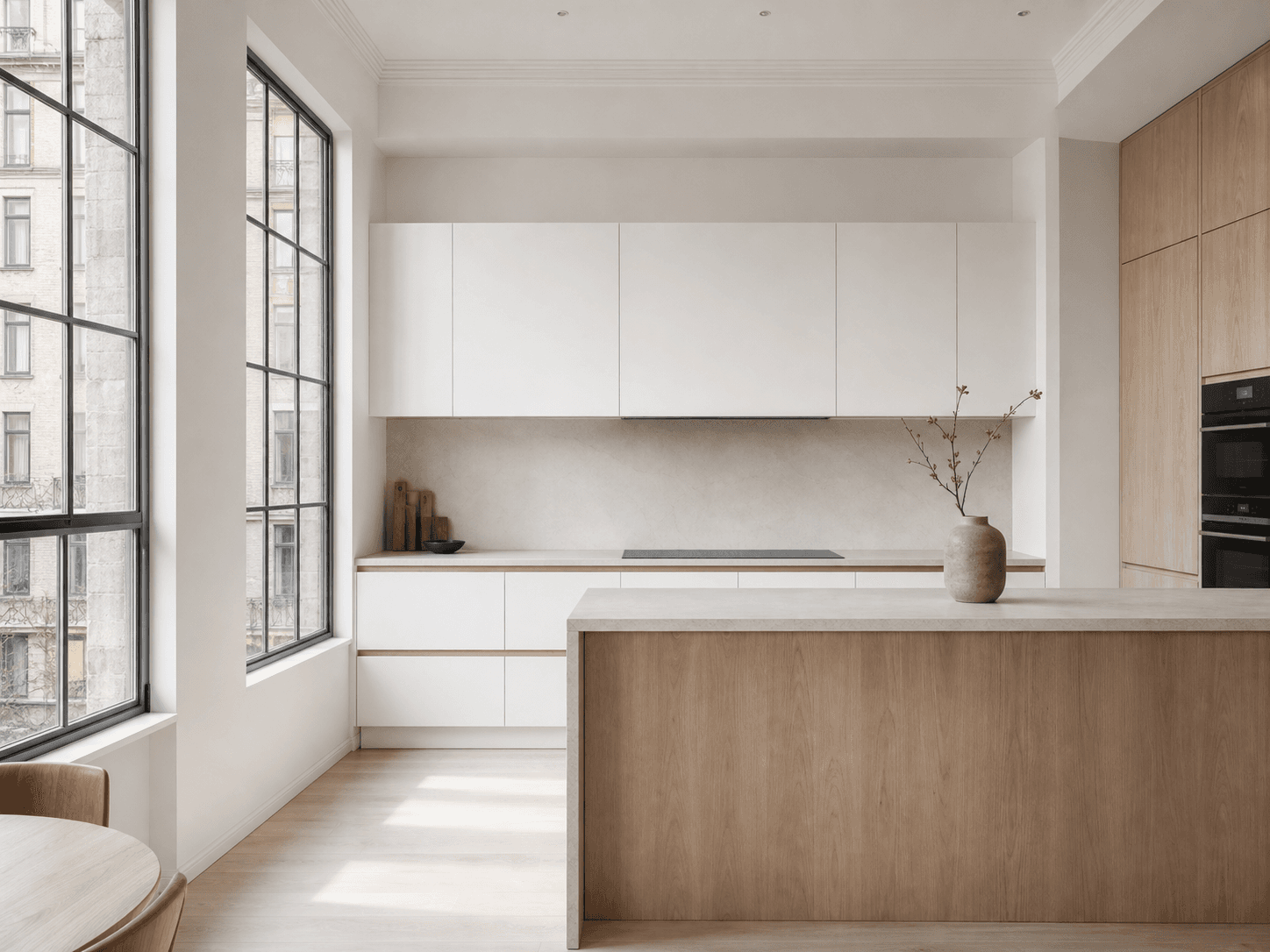
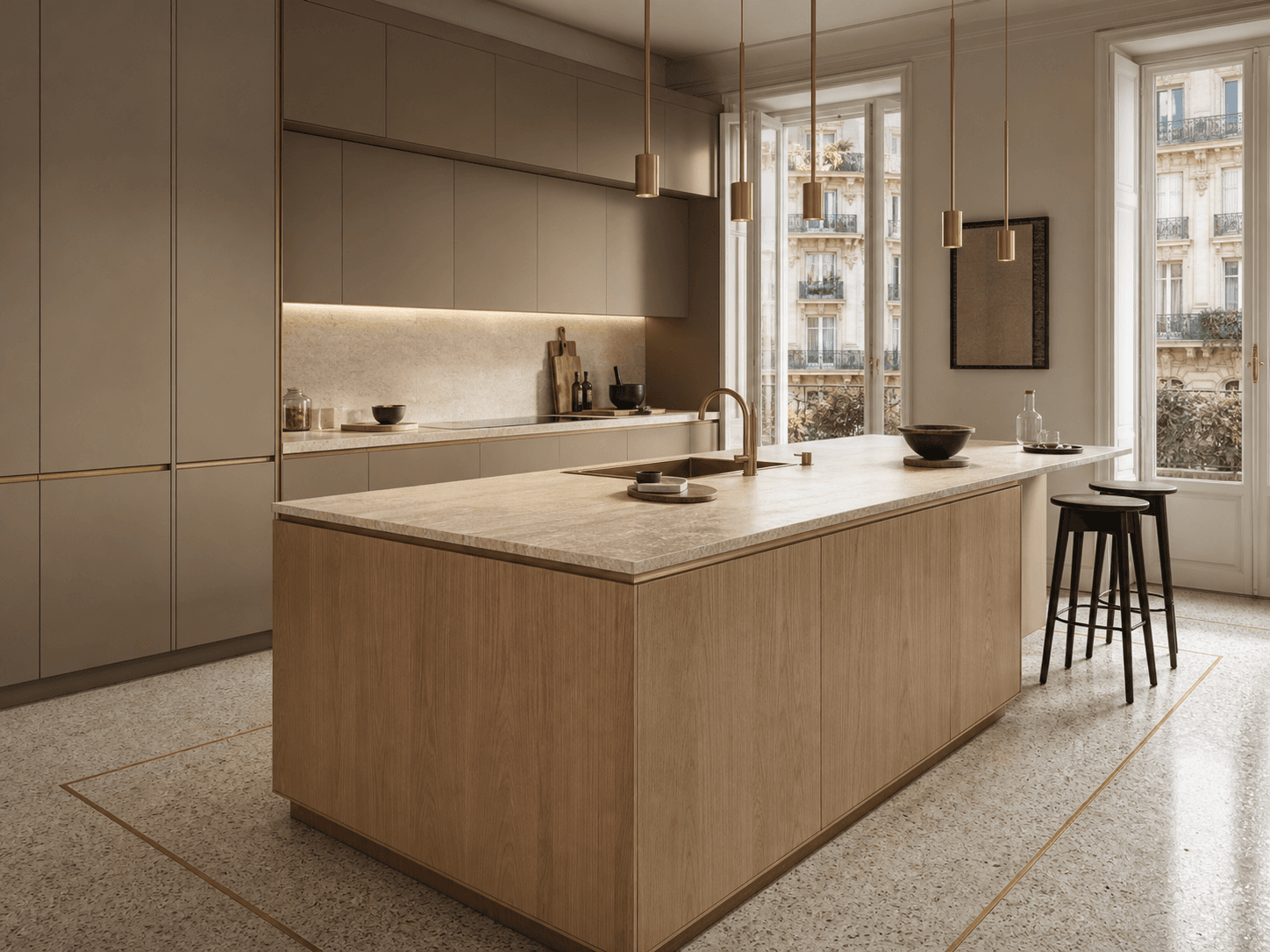
Walk into any kitchen in America built in the last twenty years and you'll see one of two door styles: a Shaker (a simple frame around a recessed flat panel) or a flat-panel (a single uninterrupted slab). Together they account for over 80% of the cabinets we ship.
The choice between them looks like aesthetics — and it is — but the decision is easier if you start with three practical questions.
First: what else in the room has visual texture? Shaker doors introduce a shadow line and a frame-around-panel detail. If your countertop, backsplash, and floor all have dramatic texture (honed stone, tile with a pattern, reclaimed wood planks), a flat-panel cabinet lets the room breathe. If everything else is smooth (quartz, large-format tile, painted walls), the Shaker adds the texture the room is missing.
Second: how often do you clean? Shakers have a recessed panel. In a busy family kitchen, that panel catches pancake batter and hand-print grease. The flat-panel wipes down in one stroke. If you have small children or cook heavy-oil meals daily, the flat-panel is the easier friend.
Third: how long do you plan to live here? Shaker is the timeless choice — it has been unchanged since the 1800s and it will be fashionable in 2100. Flat-panel is the contemporary choice — it is of this decade and it will eventually read as 'early 21st century' in the same way that oak-with-wallpaper now reads as 'late 1980s'. Neither is wrong, but one ages differently than the other.
Still undecided? Order one Shaker sample and one flat-panel sample from our /pages/samples page. Put them on your counter in the afternoon light and the morning light. The answer usually becomes obvious within three days.